Written and Produced for you by Muriel Murch with WSM by my side.
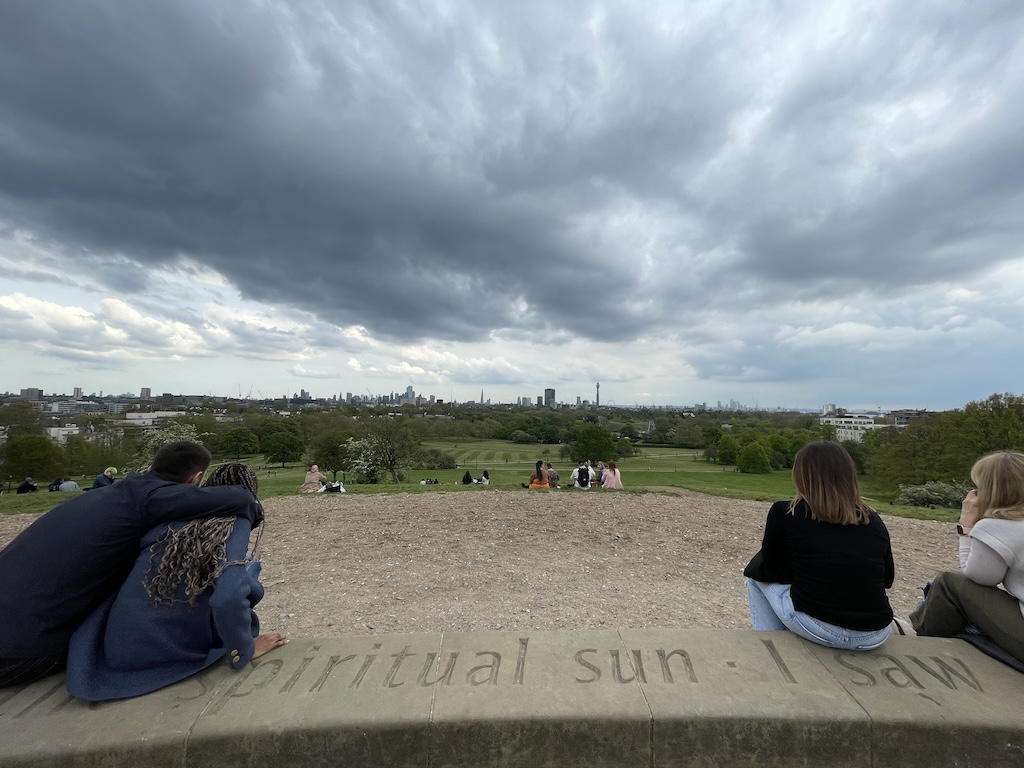
The grey sky is pouting – there is no sun – just a half-hearted threat of rain. The London season is muted; the Chelsea Flower Show and Royal Ascot Race week do not shine as brightly in splashing colour across the weekly magazines. Even Queen Mary’s Rose garden in Regent’s Park – that in June is usually overwhelming with the attar of roses and a wild palette of colour – is subdued, while beds of favourite roses have been grubbed up and new adolescent bushes planted in their stead. On our little terrace the roses and geraniums that should be bursting with cheerful reds and yellows remain shy and closed, while the potted tomato plants stand nakedly to attention, seemingly condemned to a fruitless life. It is sobering.
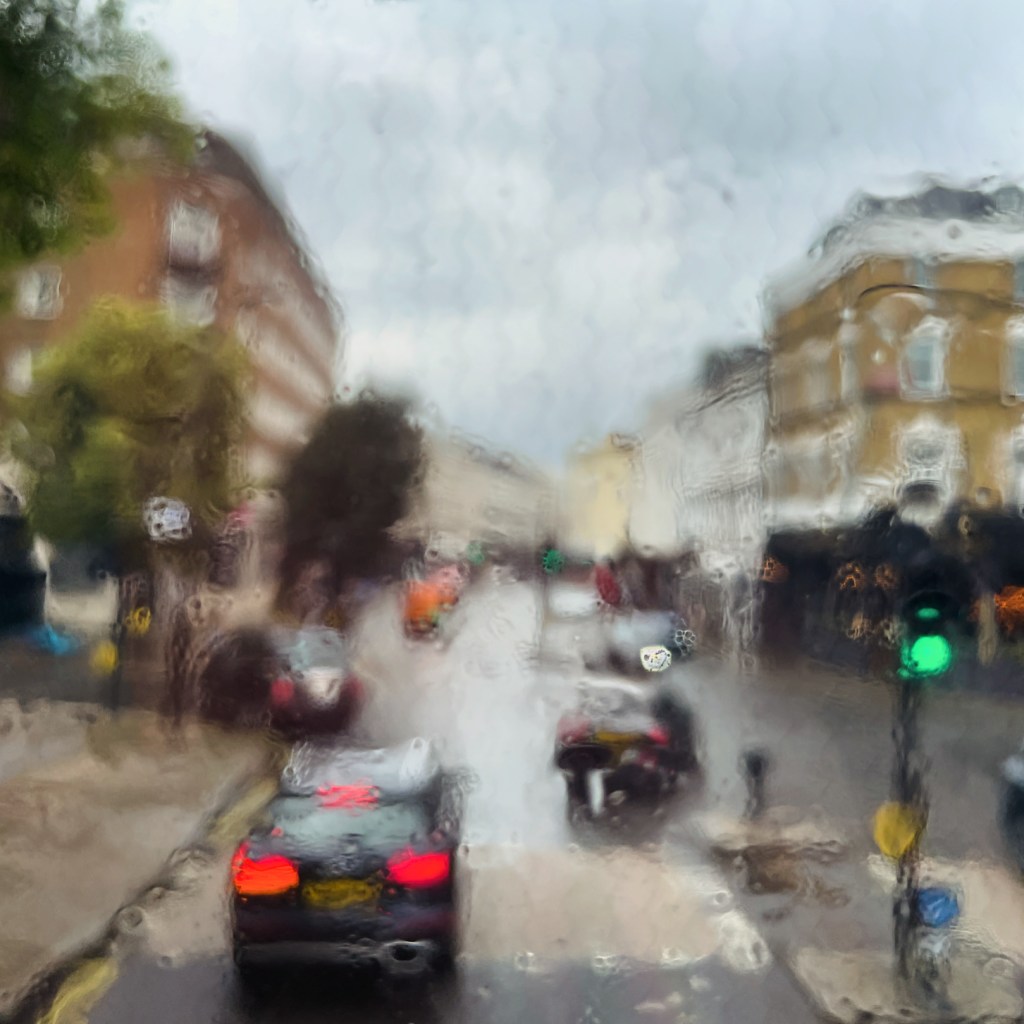
At the bus stop on Thursday morning I join a small crowd waiting to catch the 31 that has gone missing from the Chalk Farm stop, “Not stopping here mate, you have to go back into Camden”. But I walked forward to Swiss Cottage – on past the road works overlooking the railway line that have been in progress for at least a year’s duration – and settled in to wait – looking as one does – for the big bright red bus to come around the corner. But it was hearing a sound I had not heard for years that had me turn my head. Sharp, fast hoofbeats and the King’s Household Cavalry came trotting smartly down the road from Primrose Hill on their way through North London to Hampstead. The traffic was stopped in all directions as the horses took over the streets – trotting in tandem, one rider with two horses. Keeping the Household Cavalry horses fit and quiet is only a part of the weeks of preparation that comes before next Saturday’s Trooping of the Colours which marks the Sovereign’s official birthday as it has for over 260 years. In April there was an ‘incident’ in London when a construction site’s sudden dumping of rubble down a roadside shaft spooked the horses and several bolted and soldiers were unceremoniously dumped on the road. It must have been quite a ruckus, as five horses were injured along with three soldiers. Camera phones were clicking as the horses took off – galloping along the streets with blood streaming down their bodies. The incident was admirably ‘contained’ and progress information – first the horses and then the soldiers – was metered out in the best British understated tradition.
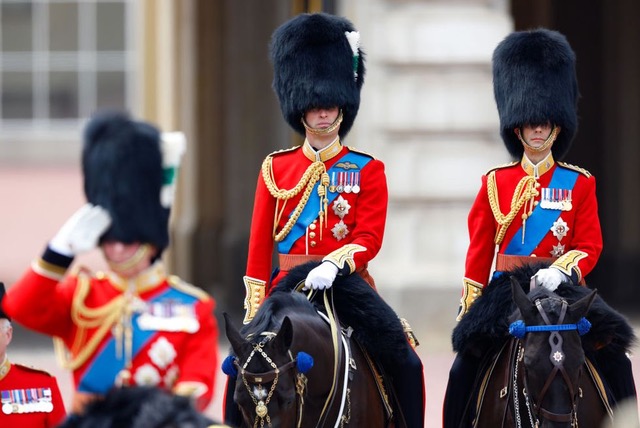
And so, on this upcoming Saturday the King will take the colours – not on horseback as he did last year – his first year as Monarch – but in a carriage befitting his health and doctor’s advice. And Princess Kate, the Duchess of Cornwall and the Colonel in Chief of the Irish Guards, whose honour it is this year to lead the trooping, was missing from this past week’s dress rehearsal. In a heartfelt letter to the regiment, she apologised and wished them all well and luck. As the nation does her. The silence around the princess’s illness is more sobering than the intermittent news of her father-in-law’s health, and underlines the rest of the news the country has to hear.
Not least is the snap election on July 4th called by Rishi Sunak. Standing at his podium outside of #10 Downing Street in a downpour of rain and unsuitable suit, the question of whether to raise an umbrella or not must have been a snap one, and as Sunak turned to retreat back inside – water dripping from his coat tail, he did truly look like a drowning rat, and one could not but help feeling just a little bit sorry for him. This week he was followed by the French President Emmanuel Macron dissolving the French parliament and calling for a snap election to be held within the next 30 days. The French president said the decision was a “serious and heavy” one, but that he could not resign himself to the fact that “far-right parties … are progressing everywhere on the continent”. He described it as “an act of confidence”, saying he had faith in France’s voters and “in the capacity of the French people to make the best choice for themselves and for future generations”. This is confusing to both the French people and the governing European bodies based in Brussels. How will it play out? Is it truly a bid for gathering up and solidifying a democracy that is crumbling over much of Europe and the world.
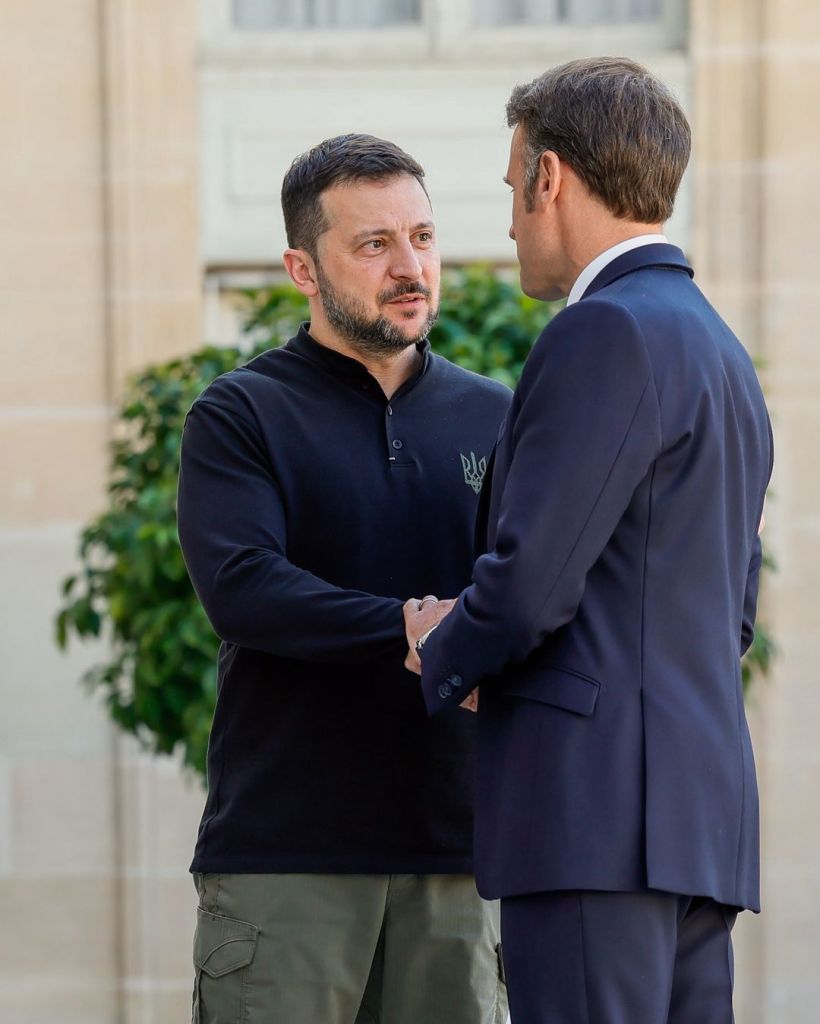
But before Macron called for his snap election – along with the leaders of the allied nations – among the Canadian, British and US, he attended the D-Day commemorations on Omaha Beach. This 80th remembrance brought together for maybe the last time, the mostly 100-year-old Veterans from all the Allied countries. A heavy dose of British royalties were also present to pay homage and show gratitude. This was also a time when the Ukrainian President Zelensky could say thank you while meeting and greeting and hopefully gathering more support for his country’s war. The Soviet Union lost more than 25 million lives in World War II and – though there have been Russian officials attending those ceremonies in the past – there were no invitations sent – or representatives present – in France this year. These wartime commemorations always bring a special pause in all countries – there are a lot of them and they do go on a bit, as they need to, because there is much that can happen there, in front of a camera or behind a closed door. President Zelensky has a lot of hustle to get through gathering the spoken, moral and physical support that he needs for Ukraine. Like chess pieces moved by an unseen magnet under the board, the world leaders who are present pick and choose which meetings and photo calls to attend. They circle each other, and the wars that they are fighting or funding. It is ironic that this commemoration, ending this war, is taking place as another war is embedded in the land that was to hold and heal the displaced people from 80 years ago. Each day – while Ukraine fights on – there is more news from the Middle East. After the carnage that killed 270 Palestinians to release four Israeli hostages, there is another US backed peace offering on the table endorsed by the UN security council – between Hamas and Israel. But there is little word of the others – refugees – otherwise known as Palestinians.
This has been A letter from A. Broad. written and read for you by Muriel Murch with support by WSM and as always overseen by – beatrice @ murchstudio.com



 Muriel Murch